If you picture Tucson living with bigger mountain views, quieter residential streets, and easy access to desert trails, Catalina Foothills probably stands out for a reason. Many buyers are drawn here because they want space, scenery, and a more residential feel without losing connection to the city. If you are wondering what daily life really looks like in this part of Pima County, this guide will walk you through the lifestyle, pace, and practical details that matter most. Let’s dive in.
Catalina Foothills at a Glance
Catalina Foothills is a Tucson-area foothills community with a 2020 Census population of 52,401. It sits as a distinct part of the greater Tucson market, with a lifestyle shaped by low-density development, mountain backdrops, and preserved desert character.
Recent Census estimates show a median household income of $115,304, a 76.4% owner-occupied housing rate, a median owner-occupied home value of $652,000, and a median gross rent of $1,412. Compared with Tucson overall, Catalina Foothills is clearly a higher-cost housing market with a more owner-focused profile.
What the Area Feels Like
One of the clearest things about living in Catalina Foothills is that it feels residential first. The Catalina Foothills Subregional Plan describes the area as mostly low- and very low-density residential, with commercial and resort uses in selected areas rather than throughout the community.
That planning approach shapes how the area looks and functions day to day. You get more open views, more separation between land uses, and a stronger sense of desert setting than you would in a more compact urban neighborhood.
The subregional plan also emphasizes scenic resources, open-space preservation, washes, wildlife habitat, and slope policies that help preserve views and natural topography. In practical terms, that means the landscape is not just background scenery. It is part of the identity of the community.
Desert Views Are Part of Daily Life
In many places, mountain views are a bonus. In Catalina Foothills, they are often part of the everyday experience.
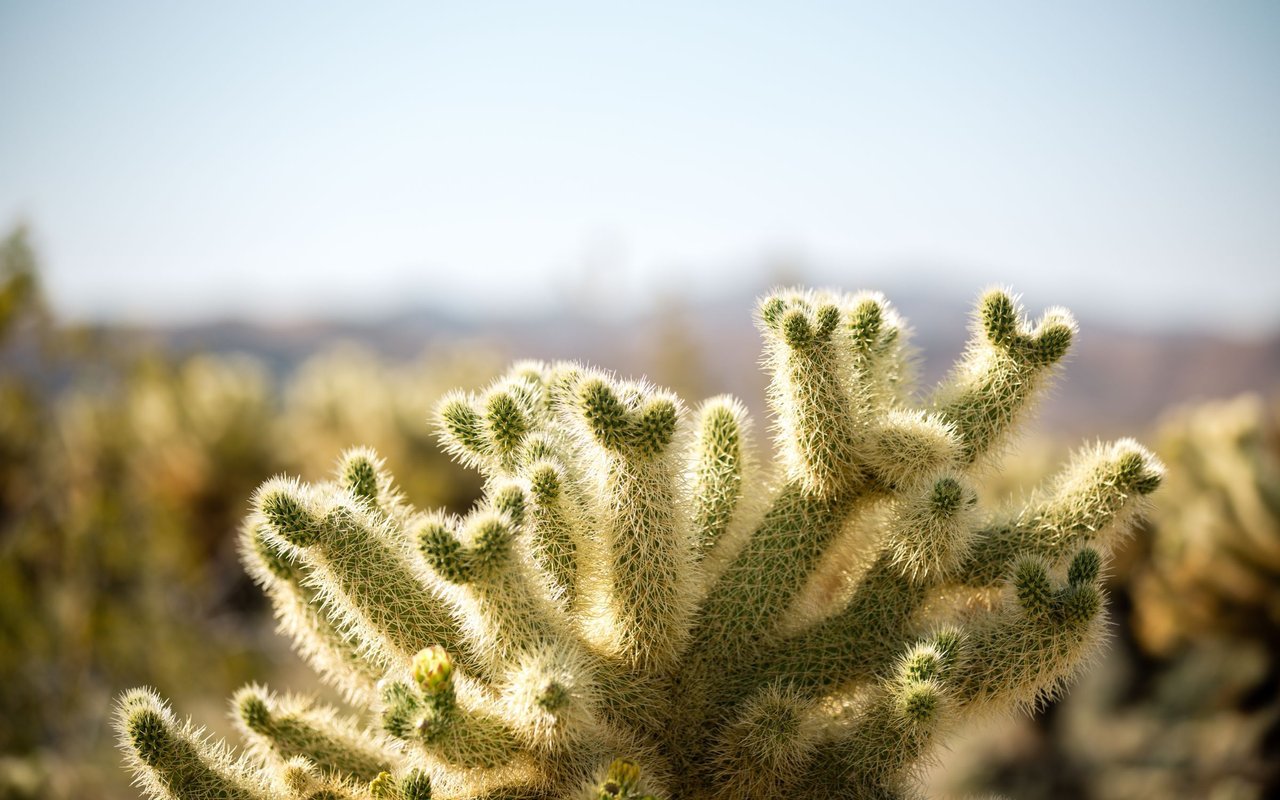
The area’s foothills setting creates a close relationship with the Sonoran Desert. Whether you are driving home, sipping coffee on a patio, or heading out for an early walk, the natural setting tends to feel present in a way that shapes your routine.
That is a big reason buyers who value scenery often keep Catalina Foothills on their shortlist. The combination of low-density residential development and view-preservation policies helps the area hold onto a more open, visual connection to the surrounding terrain.
Outdoor Access Is a Major Lifestyle Perk
If outdoor time matters to you, Catalina Foothills offers strong access to some of the Tucson area’s best-known public lands. This is one of the biggest lifestyle advantages of the area.
Sabino Canyon Access
Sabino Canyon Recreation Area is one of the most recognized nearby outdoor destinations. The Forest Service highlights trails such as Phoneline, Blackett’s Ridge, Bear Canyon/Seven Falls, and Hutches Pool, which gives residents access to a wide range of hiking experiences close to home.
For many people, that means weekend plans do not require much planning. Trail access can feel like a natural extension of daily life instead of a special trip across town.
Catalina State Park and Saguaro East
Arizona State Parks describes Catalina State Park as a place known for desert wildlife, dark skies, and equestrian trails. Saguaro National Park’s Rincon Mountain District also adds accessible trail options, including the Desert Ecology Trail and Mica View Trail.
Taken together, these outdoor areas help explain why Catalina Foothills appeals to buyers who want a suburban setting with immediate access to the desert landscape. You are not just near outdoor recreation. You are living in close relationship with it.
Shopping, Dining, and Errands
Catalina Foothills is not built like a walk-everywhere district, but daily conveniences are still part of the lifestyle. The difference is that retail and dining tend to cluster instead of spreading evenly across the area.
The subregional plan notes that commercial land uses are concentrated along major arterials. That pattern helps preserve the residential character while still making it practical to handle errands, dining, and shopping without going far.
La Encantada is one of the area’s best-known shopping and dining destinations. Its official description presents it as an upscale open-air center at the base of the Santa Catalina Mountains, which fits the broader Foothills pattern of combining convenience with scenery.
For buyers, the takeaway is simple: you can get what you need, but the area generally feels more residential than commercial. That balance is part of the appeal.
Schools and Community Identity
For many buyers, school district identity plays a role in how they think about a move, even early in the search. In Catalina Foothills, that local identity is meaningful.
Catalina Foothills School District says it serves more than 5,000 students from 35 Tucson-area ZIP codes. That tells you the district is a significant local institution and part of how many people understand the area.
If you are comparing communities around Tucson, this can be one of the lifestyle markers that helps Catalina Foothills stand out. It is not just about a map boundary. It is also about how people orient themselves to the community.
Getting Around Catalina Foothills
One of the most important practical points is that Catalina Foothills is still a car-first community. If you are relocating from a denser city or from a place with stronger transit coverage, this is worth knowing up front.
Sun Tran’s planning report says the Catalina Foothills is not well suited for fixed-route transit because of low density and discontinuous streets. Sun Tran does list Route 105X as the Foothills-Downtown Express, but most residents should still expect driving to be the main way they get around.
That does not mean the area feels isolated. Boundary references tied to local connectors like Sunrise Drive, River Road, Campbell Avenue, and Ina Road show how the Foothills connects into the rest of Tucson. The better way to think about it is connected, but not highly walkable and not transit-first.
Housing and Cost Expectations
Catalina Foothills is a higher-cost market than Tucson overall, and it helps to go in with clear expectations. Census data show a median owner-occupied home value of $652,000 in Catalina Foothills, compared with $266,200 for Tucson city.
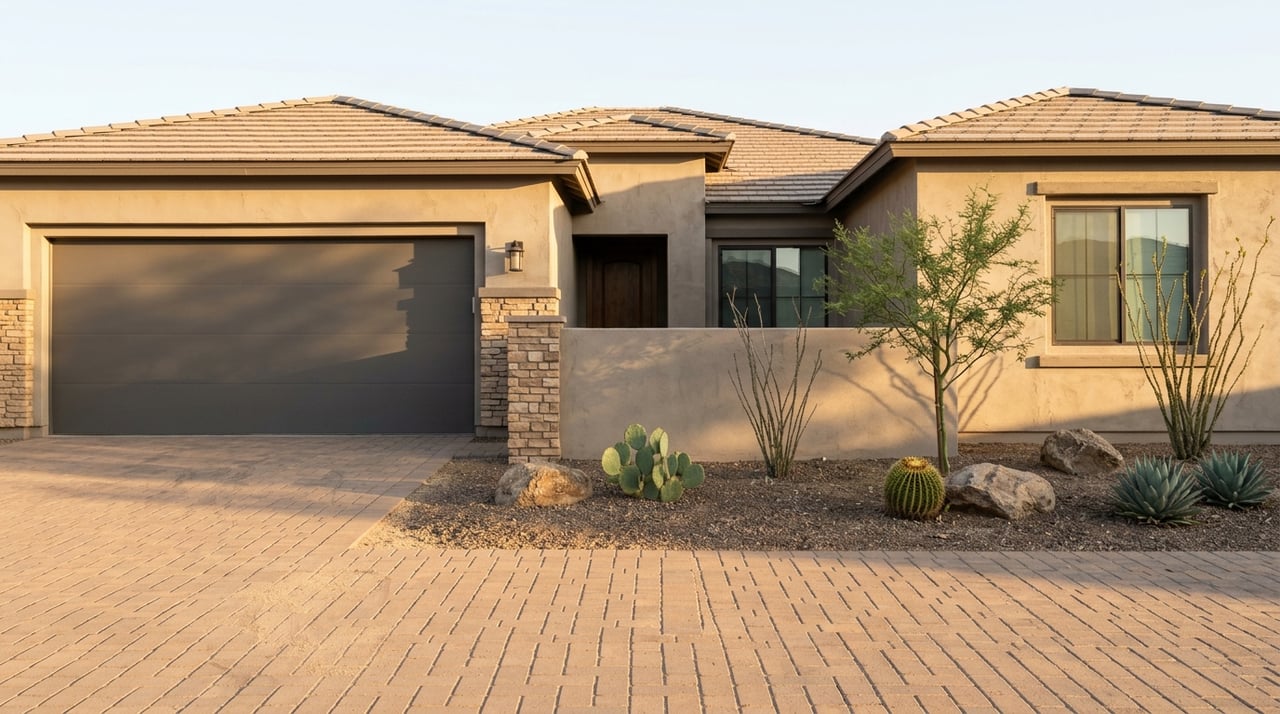
That pricing difference reflects more than just location on a map. It also lines up with the area’s low-density residential character, view orientation, and strong appeal for buyers looking for a more spacious suburban desert setting.
The owner-occupied housing rate of 76.4% also supports the idea that this is a community where ownership plays a strong role in the housing mix. If you are shopping in Catalina Foothills, it is smart to think carefully about your priorities, especially around views, lot feel, commute patterns, and access to daily conveniences.
Who Catalina Foothills Often Appeals To
Catalina Foothills can fit several types of buyers, but the common thread is usually lifestyle. People often come here looking for a quieter residential setting, mountain views, and a stronger connection to desert surroundings.
It may be especially appealing if you want:
- A largely residential community with low-density development
- Regular access to hiking, trails, and scenic open space
- A suburban setting that still connects into Tucson
- A home search focused on views, privacy, or desert character
- A market where ownership is a large part of the housing mix
It may be less ideal if your top priority is walkability or relying on fixed-route transit for most of your routine. The area offers connection and convenience, but it is built around driving.
What to Know Before You Move
Before you decide whether Catalina Foothills is the right fit, it helps to think beyond listing photos. A beautiful view matters, but so do the patterns of everyday life.
Ask yourself how you want your week to feel. Do you want trail access nearby, more residential surroundings, and a home base that feels shaped by the desert landscape? Or do you want a more urban setup with denser retail, shorter walks to daily stops, and stronger transit options?
That clarity can save you time and help you focus your search. In a place like Catalina Foothills, the lifestyle is one of the biggest reasons people choose to buy there.
If you are thinking about buying or selling in Catalina Foothills, working with a local agent who understands Tucson-area neighborhoods can make the process much easier. Brandon A Walker offers responsive, hands-on guidance for local moves, relocations, and remote buyers who want clear insight into how each community really lives day to day.
FAQs
What is daily life like in Catalina Foothills?
- Daily life in Catalina Foothills is shaped by a low-density residential setting, mountain and desert views, clustered shopping areas, and easy access to outdoor recreation.
Is Catalina Foothills mostly residential?
- Yes. The Catalina Foothills Subregional Plan describes the area as largely low- and very low-density residential, with commercial and resort uses in selected locations.
What outdoor access do Catalina Foothills residents have?
- Residents have access to nearby outdoor destinations such as Sabino Canyon Recreation Area, Catalina State Park, and Saguaro National Park’s Rincon Mountain District.
Is Catalina Foothills easy to get around without a car?
- Most residents should expect to drive. Sun Tran says the area is not well suited for fixed-route transit because of low density and discontinuous streets, though some transit service does exist.
Is Catalina Foothills more expensive than Tucson?
- Yes. Census estimates show Catalina Foothills has a higher median household income and a much higher median owner-occupied home value than Tucson overall.
Does Catalina Foothills have convenient shopping and dining?
- Yes, but it is typically clustered along major arterials rather than spread throughout the community, which helps the area keep a more residential feel.